Earnhardt Chrysler Dodge Jeep Ram

Blog

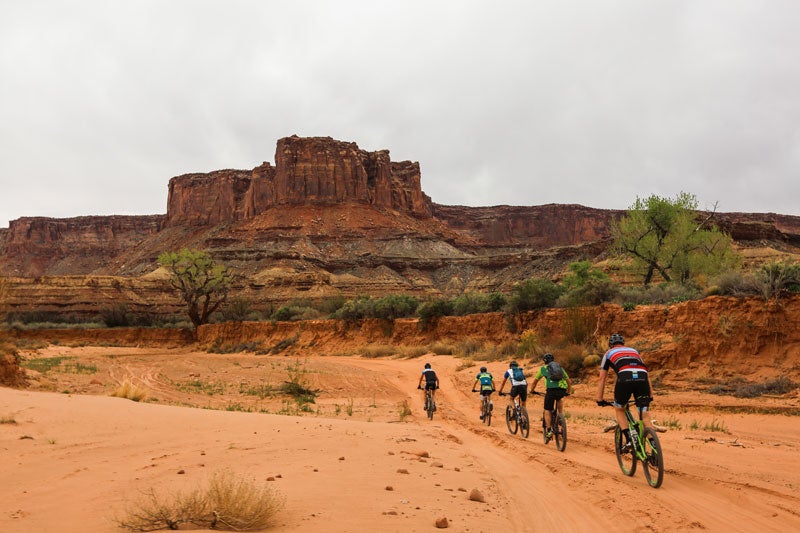
A group of cyclists riding mountain bikes across a sandy desert trail

4 Phoenix Day Tours That Are Worth the Trip

For those of us who live in the Phoenix area, it’s incredibly easy to tour many of Arizona’s natural wonders without having to stay overnight in a hotel. There are several day tours in the area that are well worth the trip. Let’s discuss a few of the day trips you can take and what you can expect. Sedona Sedona, located just two hours north of Phoenix, is a charming town of just 10,000 people. Situated in the mouth of the Oak Creek Canyon, it is surrounded by towering red rock formations, making it perfect for hiking, biking, and kayaking. If you’re an art lover, you’ll appreciate the town’s 80 galleries and shops. Be sure to consult the Sedona Gallery Art Walk guide so you don’t miss anything. Stop by the Sedona Heritage Museum to learn about the area’s history and culture. For a more unique view of the town, you can take a hot air balloon ride. If you’ve worked up an appetite, Sedona’s restaurants offer a variety of cuisines, including Mexican, Italian, and Indian. If you decide to stay an extra day, there are several charming bed and breakfasts. Grand Canyon National Park Grand Canyon National Park, one of the seven natural wonders of the world, is just a three hour and 20-minute drive from Phoenix. The park contains miles of trails for hiking and backpacking through some of the country’s most beautiful scenery. You can also enjoy the exquisite canyon views while riding on the back of a mule or on a bicycle. You can learn about the history of the park at the historic Kolb Studio. There are several restaurants in and around the park serving breakfast, lunch, and dinner. Montezuma Castle National Monument The Montezuma Castle National Monument, located just an hour and a half north of Phoenix, is one of the best-preserved cliff dwellings in North America. It was carved into the side of a limestone cliff by the Sinagua, a Native American tribe who lived in the area over 600 years ago. The site was declared a national monument by Theodore Roosevelt in 1906. When walking along the trails near the cliff-side dwelling, you’re sure to spot hawks and eagles, along with great views of the Arizona sycamore tree. There’s also a museum where you can view archeological artifacts, natural specimens, and historic photos. Prescott The town of Prescott, located two hours north of Phoenix, was once the capital of the Arizona Territory. Several historic buildings and Victorian-era homes are open for touring. If you’re a fan of Western art, you won’t want to miss the Phippen Museum. Over 200 of the country’s best Western artists display and sell pieces there. The town’s dry, temperate climate makes it a great place for outdoor activities, including a round of golf at one of the area’s four golf courses. These are just some of the great day tours you can take in the Phoenix area. Consider planning a trip so you can see for yourself the wonders of Arizona. Image via Flickr by Dan Kunz / Under use by CC BY-SA 2.0

Person checking a car engine under an open hood on the roadside.

Be Prepared for Anything With an Emergency Roadside Kit

Of course, nobody wants their car to break down on the side of a busy highway, but the truth of the matter is that it will probably happen over the course of your driving career. When the inevitable happens, it will be a tremendous help to have an emergency roadside kit on hand to help you deal with the situation. Emergency Kit Basics Every emergency roadside kit is going to have some basic components to help handle the most common kinds of breakdowns. The most important item is a pair of jumper cables. Battery failure is the most common reason for vehicle breakdowns and can quickly turn your trip to the store into a huge inconvenience. On average, batteries are expected to last six years, but a host of factors, such as extreme heat, humidity, lack of proper maintenance, and everyday wear, can severely shorten that lifespan. Having a pair of jumper cables on hand can help you avoid unnecessary towing fees. Another key item that should be part of every emergency roadside kit is a spare tire or tire repair kit. Getting a flat is the second most common reason for vehicle breakdowns, so being prepared with a quick fix is essential to getting back on the road in a timely manner. Keep in mind that there are limitations to what a tire repair kit can do, so if you’re planning a long trip or going to drive over rough roads, a spare tire might be the better choice. In addition to jumper cables and a spare tire/tire repair kit, some other essential items to have in your emergency repair kit include a cellphone charger, flares, extra windshield wipers, flashlight, bottled water, pen and paper, and a little bit of spending cash. Extreme Conditions It is one thing to have your vehicle break down on a pleasant spring or summer afternoon and quite another to be stuck in the middle of a blizzard or under the suffocating heat of the desert. Extreme weather conditions require that you modify your emergency roadside kit so that you will be prepared for whatever Mother Nature might throw at you. If you live in or are planning a trip through an arid, hot climate like the Southwest U.S., you should pack some extra water, sunscreen, a fire extinguisher, and a reflective sunshade with you in addition to your normal complement of emergency supplies. For extreme winter conditions, bring a shovel, gloves, an extra ice scraper, warm clothes, tire chains, and clumping cat litter to help get traction. Roadside Assistance Although it is not a physical part of your emergency roadside kit, having a roadside assistance service can be the most important tool in dealing with a breakdown. If your breakdown is due to an accident or major mechanical failure, then there really isn’t much you can do from the side of the road and paying out of pocket for a tow can be overly expensive. A roadside assistance service will help ease the pain of a major breakdown and give you some peace of mind. Whether you are planning a road trip or local commute, make sure that you’re prepared by having an emergency roadside kit. Image via Wikipedia Commons used under CC0 Public Domain

Close-up view of tire treads.

Best Biking Trails in Gilbert

Gilbert and the surrounding areas offer some great opportunities for bikers. There are plenty of trails to choose from within the city and more rural ones nearby. There’s no better way to experience the city and the outdoors than from getting up close and personal on a bike. Here are some of our favorite places to ride. Western Canal Path One of the longest trails in the area, the Western Canal Path, offers a great place to get some time on the bike in. It’s 21.9 miles long, starting at W. Carver Road and S. 35th Avenue in Phoenix and ending at the Consolidated Canal Path in Gilbert. From this trail, you can access Tempe, Chandler, and Mesa if you have a destination in mind. Most of the concrete trail is hollowed by another gravel-surfaced trail. Consolidated Canal Path Straight through the heart of Gilbert lies the Consolidated Canal Path. It’s 18.9 miles long and stretches from the Tempe Canal Path and South Canal Path in Mesa to Hunt Highway and SR 87 in Chandler. This path offers some great chances to see waterfowl and fish in the canal. The path is shared by horseback riders and fishers. Baseline Road If you’re looking for a trail you can complete in a shorter amount of time, head over to Baseline Road. It’s 3.3 miles long and stretches from E. Baseline Road to the Eastern Canal Path. This trail winds through residential areas and passes by many businesses on Baseline Road. It’s completely paved to provide an easy ride through Gilbert. Eastern Canal Path The Eastern Canal Path is 19.6 miles long and stretches north to south from the Southern Canal Path in Mesa at E. McDowell Road to E. Riggs Road in Chandler. The trail alternates between pavement and gravel and follows along the South Canal. Queen Creek Wash Trail If you’re trying to find a nearby trail that gets more into nature, try the Queen Creek Wash Trail. Through its 5.6 miles, it follows its namesake through farmland and some residential areas, but for the most part feels more like a ride through a natural park. It starts at S. Power Road and ends at East Village Loop Road west of 215 Street in Queen Creek. Southern Canal Path North of Gilbert lies a great trail for gravel bikers — the Southern Canal Path. There are 9.3 miles between its start at Tempe Canal Path and the Consolidated Canal Path in Mesa and the Arizona Canal Path at the Salt River Pima-Maricopa Indian Community. This path offers some fantastic views of Arizona in its natural state and hooks up with four other trails. Most of the trail is in the open desert, so make sure to bring plenty of water. Take some time to explore all the trails the area has to offer. Be courteous to others on the paths and enjoy our great city and the state of Arizona. And let us know where your favorite places to ride are. Image via Flickr by desertdutchman /Under use by CC BY 2.0

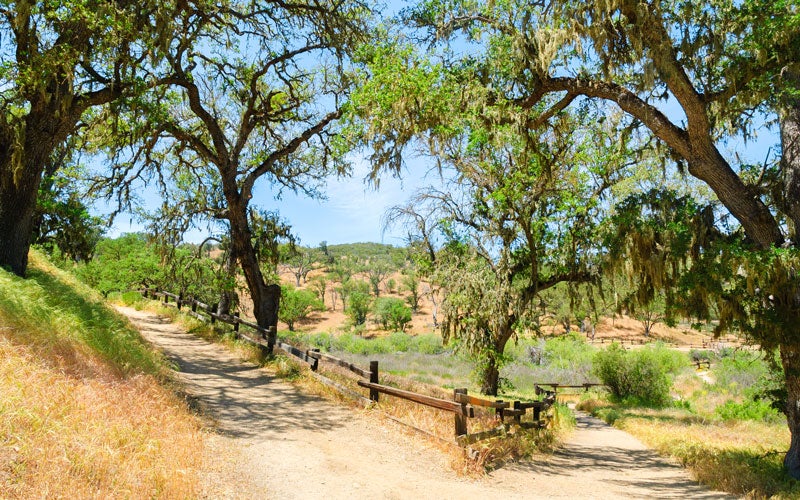
Scenic dirt trail winding through a wooded landscape

Arizona National Parks Worth the Drive From Gilbert

Arizona is so much more than the Grand Canyon State. It’s full of great natural areas that are prime examples of the beauty of the American Southwest. If you live in the Gilbert area, you’re in luck — there are plenty of national parks to explore nearby. Strap on your hiking boots and check out these Arizona National Parks that are worth the drive from Gilbert. Casa Grande Ruins About an hour’s drive south lies the Casa Grande Ruins. There isn’t any hiking to be had here, as the park is one square mile, but the history and culture to be explored will lend themselves to a priceless experience. Learn about the ancient Sonoran Desert people and how they lived around 1350 C.E. It’s one of the largest Native American structures you’ll find in the entire nation, so you should definitely make time for a stop here sometime. Tonto National Forest If you’re looking for a park that has both natural splendor and a slice of human history, the Tonto National Monument and Forest is the park for you. Explore the Native American cliff dwellings of the area while getting a great hike in. Take a hike to the Lower Cliff Dwelling, open all year-round, up a half-mile path. You can finish this hike in about an hour and see some great archeological finds. If you want a longer hike, there are guided tours to the Upper Cliff Dwelling that take about three to four hours. These tours are given November through April. You can also look through the visitor center and museum to get a chance to see some great artifacts. Tonto National Forest is just outside of the Phoenix city limits and the drive to the Monument is about an hour and 40 minutes away. Walnut Canyon This park offers some spectacular views of Walnut Canyon, as well as a chance to explore ancient pueblos. There are great hikes offered throughout the area, as well as viewing areas for those who don’t want to stray too far from the car. The rangers at Walnut Canyon give presentations daily at the park, as well as guided hikes. Sign up for the 1.5-hour Canyon Ledge Hike and explore the canyon and cliff dwellings, or the Ranger Cabin Walk, which takes about two hours and visits the Ranger Cabin built in 1904. Saguaro National Park For some of the most picturesque natural sights, Saguaro National Park is your best bet. Go see the nation’s biggest cacti and interesting wildlife in one of the greatest national parks in the Southwest. Plan a camping trip so you have even more time to explore everything the park has to offer. Remember to stay safe as you explore our nation’s national treasures. If you’re hiking, always let someone know where you’re going before you go, even if you’re traveling in a group. These and all the other Arizona parks we didn’t have time to mention are waiting for you, so get out there and enjoy the great outdoors. Image via Flickr by Chance Kafka /Under use by CC BY 2.0

Soccer ball resting on a green grass field beside a white boundary line.

6 Tips for Attending a Phoenix Suns Home Game

Washington Wizards v/s Phoenix Suns January 21, 2011 If you enjoy an energetic game of basketball and you happen to be in Phoenix, make a point of visiting the Talking Stick Resort Arena with your family for some fine NBA entertainment. Here are some tips that will prove helpful for attending a Phoenix Suns home game at the Talking Stick Resort Arena. Take the Light Rail The doors to the arena open 1.5 hours before the start of the game. There is plenty of parking space around the arena, but it can be on the expensive side. Also, given the crowd, there is a high likelihood of encountering traffic bottlenecks while getting in and out. You might find it more convenient to reach the arena by Phoenix’s Light Rail system. Bring the Entire Family Since the entertainment during the Phoenix Suns games is family-friendly, you can bring your children along. If your children are below the age of two and you are willing to seat them on your lap for the duration of the game, they can have a free entrance. Along with the basketball game, your children will probably also enjoy the humorous antics of the Gorilla, the famous and much-loved mascot of the Phoenix Suns. Assistance Available for Disabled Visitors The arena has made provisions so that disabled visitors can enjoy the basketball game without any impediments. There are special seating areas for people in wheelchairs. People with vision impairments can make use of portable radios. If you have a hearing impairment, you can use an assistive listening receiver. Eat Before You Visit You cannot bring outside food and beverages into the arena, although the management does make exceptions for baby bottles and baby formula. If you get hungry during the game, you will have to make your way to the few restaurants inside the arena. They tend to offer a standard fare at somewhat expensive prices. It might be a better idea to have a substantial meal before arriving for the game. There are some nice restaurants around the arena that offer a more varied and reasonably priced fare. Buy Souvenirs If you want the folks back home to know you attended a Phoenix Suns game or if you simply like collecting souvenirs, head over to the team shop on the arena’s northern side and buy their official merchandise. You can also browse through a range of game-related merchandise at several stands within the arena. Some Prohibitions to Remember You can only bring bags with single compartments into the arena. They don’t allow multicompartment bags or backpacks of any type. If you want to bring banners and signs, make sure you only bring hand-held items made of fire-retardant materials. Don’t hold them up during the game; the signs can distract the players and prevent other spectators from viewing the game. There is also a strict prohibition on video recording inside the arena, so keep the video recorder switched off. With these tips in mind, have a splendid time during the Phoenix Suns home game at the Talking Stick Resort Arena. Image via Flickr by Keith Allison/Under use BY CC-SA 2.0

Where to Stay in Phoenix: 4 Cool Neighborhoods

Where to Stay in Phoenix: 4 Cool Neighborhoods

With attractions like the Desert Botanical Garden and the Phoenix Zoo, many tourists head to Phoenix, Arizona, each year in search of an adventure. In addition to endless entertainment, Phoenix is also broken up into diverse neighborhoods. Each one offers a unique perspective of the city and can significantly change your experience. 1. Old Town Scottsdale Old Town Scottsdale is a unique neighborhood with an abundance of vibrant art galleries, delectable cuisines, and plenty of nightlife entertainment. During the day, visitors enjoy exploring the small boutiques and peddle shops that line the neighborhood. Be sure to check out some of the Wild West souvenir shops. Jump on the free Old Town Trolley for a 45-minute ride around the loop. Other attractions worth checking out include the Rusty Spur Saloon and the famous ice cream parlor, the Sugar Bowl. Enjoy a speakeasy experience at the Kazimierz World Wine Bar. Old Town parking is also free and gives you easy access to the best attractions in the area. 2. Downtown Phoenix If you want to be right in the middle of the action, then you will enjoy staying in downtown Phoenix. Downtown Phoenix is home to many highly-rated restaurants, bars, comedy clubs, sporting stadiums, unique shops, and museums of all kinds. If you don’t have access to a car, you can still get around easily in Phoenix via bike, walking, or with a zip car. The public transportation system also costs just a few dollars and can take you all around the neighborhood. 3. Camelback Mountain Phoenix has much more to offer than city life. If a mountainous adventure is more your style, then you are sure to enjoy a stay in Camelback Mountain. Camelback Mountain is just north of the downtown area and offers miles and miles of desert biking and hiking trails. A visit to this area is a great way to get close to Arizona’s wildlife including the tortoises, snakes, and lizards. Staying in Camelback Mountain does not mean that you have to spend all your time outdoors. There are also many wonderful restaurants and resorts with pools that offer you the best of both worlds. 4. Arcadia Arcadia is not as well-known as the other neighborhoods, which means you can enjoy a local’s vibe. This slower paced neighborhood is a local favorite because of its trendy restaurants. The Henry serves an upscale American menu along with a full bar. O.H.S.O. Eatery & Nano-Brewery has over 40 beers on tap in a warm and comfortable environment. The outdoor patio is the perfect place to kick back and relax after a day spent in one of the busier neighborhoods. The Nook Kitchen is another great restaurant to check out. The poutine fries and halibut tacos are a must-try. You might also notice the fresh smell of citrus when staying in Arcadia. Much of the terrain is filled with citrus groves. Many visitors don’t realize that Phoenix is made up of many individual and unique neighborhoods. Each one has its own vibe and choosing one based on your travel preferences will ensure that you have the best experience. “ Downtown Phoenix Skyline 2” via Flickr by squeaks2569. Used with permission via CC BY-SA 2.0 / cropped from original

Orange two-door muscle car parked on a paved surface

Best Car Accessories for Dodge Vehicles

The Dodge landscape is undergoing its biggest performance shift in decades. Whether you are squeezing the last bit of roar out of a 6.4L HEMI or you’ve just taken delivery of a 2026 Charger with the Hurricane Straight-Six, the goal remains the same: Stand out and go faster. Fortunately, Mopar always offers the best Dodge car accessories. And our service department can tune your Dodge to achieve the best performance. In this guide, we’re breaking down the essential performance and aesthetic upgrades that define a modern Dodge build. If you own a Charger or Challenger, the best place to get repairs, parts and Mopar upgrades is Earnhardt CDJR, your Dodge dealer in Gilbert. Performance: Chasing the Next Horsepower Milestone In 2026, performance tuning isn’t just about “bigger pipes”—it’s about optimizing airflow and electronic management. There are now two types of Dodge engines. The Hurricane Revolution (3.0L Twin-Turbo) The new 3.0L Hurricane engine is a tuner’s dream. Initial dyno tests show that these engines are conservative from the factory, indicating that owners can have them fine-tuned for more capability. Schedule a test drive of your favorite new Dodge. High-Flow Air Intakes: Replacing the restrictive factory airbox on the 2026 Charger Sixpack can yield gains of 12–18 hp by allowing those turbos to breathe. Exhaust Tone & Flow: Because turbos naturally muffle sound, enthusiasts are moving toward high-velocity cat-back systems. Look for systems with “H-pipes” to retain that classic muscle crossover growl. Dodge Legacy HEMI (5.7L & 6.4L) For the V8 purists, the “Big Three” mods still reign supreme. Here are three ways to update your ride and enjoy more fun behind the wheel. Mid-Muffler Delete: The most cost-effective way to unlock the “cold start” bark everyone loves. Long-Tube Headers: Essential for moving air out of the Scat Pack’s 392 engine, typically adding 20–30 lb-ft of torque. Tuner Modules: Unlocking the PCM (Powertrain Control Module) remains the gatekeeper for significant gains. Aesthetics: Aggression by Design A Dodge should look like it’s moving at 100 mph while sitting in a parking lot. And the place to upgrade yours is your Gilbert Dodge dealer, Earnhardt CDJR. Here are some fun suggestions. Aerodynamics & Stance The “widebody” look is no longer just for the Hellcat. Here’s how Dodge car accessories can make your car look wider. Wicker Bill Spoilers: Adding a 2-piece adjustable wicker bill to a Charger or Challenger creates a massive rear profile shift. Front Splitters & Rods: To balance the rear, a front splitter with stainless steel tension rods adds a track-ready “downforce” aesthetic. Custom Graphics: Beyond the Dodge Scat Pack Bee While the classic Bumblebee stripes are iconic, 2026 trends are leaning toward satin finishes and reflective accents. Here are some ideas: C-Pillar Decals: Matte black accents on the rear pillar add a subtle racy detail. Reach out to our parts department for more information about stripes, decals, and other simple, yet effective ways to personalize your ride. Illuminated Badging: With the rise of the Daytona EV, “Fratzonic” and LED-backlit badges are the new frontier for night-time presence. The First Three Mods You Should Do If you’re just starting your build, follow this “Golden Path” to a more exciting ride. The Sound: Choose an Exhaust or Muffler Delete. The Stance: Lower the springs (approx. 1.0″–1.5″ drop). The Signature: Add custom vinyl racing stripes or hood decals. Ready to start your build? Whether you’re chasing a one-second improvement on your quarter-mile or just want to turn heads at the next car meet, Dodge car accessories and Mopar parts offer more customization potential than ever before. Schedule service or request a consultation to discuss upgrades.

City skyline at sunset viewed across the waterfront.

4 Things You Didn’t Know About Phoenix

Phoenix, Arizona, is a town rich in culture and history. The city is home to both families with a long history and roots in the state of Arizona as well as numerous adventurers who have made the city their new home, either for the unlimited amount of sunshine, limited rainfall, numerous activities, or job opportunities. While there are many well-known facts about the city of Phoenix, below are some interesting ones you may or may not know about the city. 1. Phoenix Was Built on Ruins The city’s name was given by pioneer Darrell Duppa, who upon first seeing the prehistoric canals of the Hohokam and ruins, stated that a city would soon rise above the ashes. He was right, and when the city was constructed it was built over the ruins of the previous area residents, with the Phoenix Civic Plaza found to have been built over dwellings dating back 3,000 years. 2. Phoenix is the Most-Populated State Capital Pheonix is the fifth-largest city in the United States with a population over 1.6 million, making it the most populated state capital in the United States, well exceeding the runner-up Indianapolis with a population of 850,000. The city also sees more than 44 million visitors each year making it a city that is always bustling. 3. Phoenix is Located in the Wettest and Greenest Deserts in North America The greater Phoenix area is located in the Sonoran Desert. While this is the reason for the beautiful sunshine and warm weather, it is one of the wettest deserts, meaning that Phoenix does see rain and has even seen a little snow. On average Phoenix will receive 3 to 15 inches of rainfall but will experience sunny skies 85 percent of the daylight hours. The average highs throughout the year are 67 degrees in winter, but there were two recorded incidents of snowfall in the city, once in the 1930s and in December 1990. 4. Sports Are Part of the Phoenix Tradition The greater Phoenix area is known as a hub of sports activity with 15 Cactus League franchises. In 2015 alone, these major league baseball teams conducted their spring training in Phoenix and drew over 1.8 million fans. Some of the teams present included the Chicago Whitesox, Los Angeles Dodgers, Milwaukee Brewers, Oakland Athletics, San Francisco Giants, Texas Rangers, Arizona Diamondbacks, and multiple others. Phoenix’s State Farm Stadium, which features both a retractable roof and a roll-out grass field, was home to Superbowls XLII and XLIX and is the future site of SuperBowl LVII set to occur in 2023. The same site also hosted the 2017 NCAA men’s Final Four and is expected to host it again in 2023. The city of Phoenix also has the unique status of being the only city to have a franchise with all four of the major professional sports leagues. The city is the home of the Phoenix Suns, the Arizona Diamondbacks, Arizona Cardinals, and Arizona Coyotes. Find out for yourself all the unique and interesting things about the city of Phoenix by checking with the tourism bureau to learn more about the history, the unique sites to see, and amazing activities for all ages. And when you need a reliable way to get around and see this magnificent city, come and see the amazing team at Earnhardt Chrysler Dodge Jeep Ram. “Arizona” via Flickr by IIP Photo Archive. Used with permission via CC BY-SA 2.0 / cropped from original

Contact Us

Fill out this form below and we'll contact you shortly
*Required Fields